
Scratch-Off Odds: Why the Top Prize May Already Be Gone
What overall and top-prize odds mean, why odds don't change but prizes do, and how to check before you buy.
Scratch-off odds are printed right on the ticket — but they mean something different from what most people assume. "Overall odds of winning: 1 in 3.5" does not mean you'll win on one of every 3.5 tickets you buy. This guide explains what scratch-off odds actually measure, how top-prize odds work, and how to check whether the big prizes are already gone.
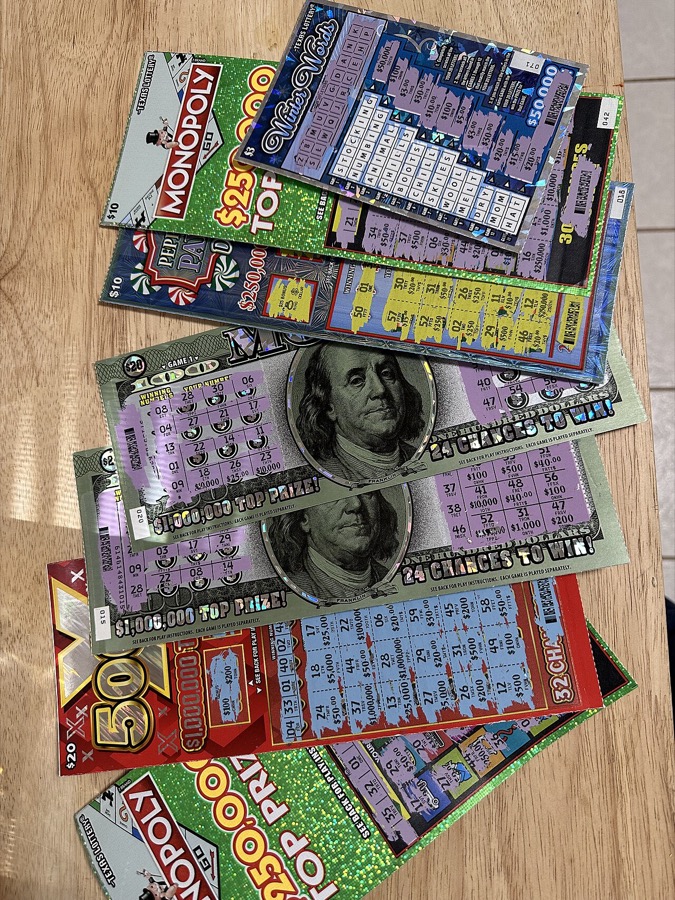
Overall odds vs. top-prize odds
Overall odds count every winning ticket, including the $2 and $5 prizes that barely cover the ticket price. Top-prize odds (e.g., "1 in 1,200,000") describe how many tickets were printed for each top prize — a much rarer event. Both are set at printing time and never change.
The odds don't change, but the prizes do
The odds printed on the ticket are fixed at the print run. What changes is how many top prizes are left: once a game's top prizes are all claimed, the game is often still on shelves. The overall odds stay the same (you can still win small prizes), but the jackpot is gone. Always check remaining top prizes before buying.
How to check before you buy
- Look up the game on your state lottery's website — most publish a "prizes remaining" table.
- Use our scratch game pages to see active games and remaining top prizes by state.
- Prefer games with at least one top prize still unclaimed.
- Compare the top-prize odds across games at the same price point.
Common misconceptions
- "1 in 3.5 means I win every 3–4 tickets." No — it's an average over the entire print run. You can buy 10 and win nothing, or buy 2 and win twice.
- "This store is lucky." Retailer win counts reflect ticket sales volume, not better odds.
- "A game with one top prize left is a bad buy." Not necessarily — the top-prize odds are the same; there's just less of a chance it's still out there.
See which scratch games still have top prizes.
Browse Scratch Games →Related tools and pages
The short version
- Overall odds count every win, including small ones.
- Top-prize odds are much rarer — check them separately.
- Prizes can be gone while the game is still on shelves.
- Always check remaining top prizes before buying.