
Withholding vs. Your Final Tax Bill on Lottery Winnings
Why the 24% withheld at claim time isn't your final tax, and how to plan for the gap.
The 24% taken out of your prize at claim time is not your tax bill — it's a down payment. Your actual federal tax is calculated when you file, and for any real jackpot it's almost always higher. This guide explains the withholding vs. final tax gap and how to plan for it.
Withholding vs. tax owed
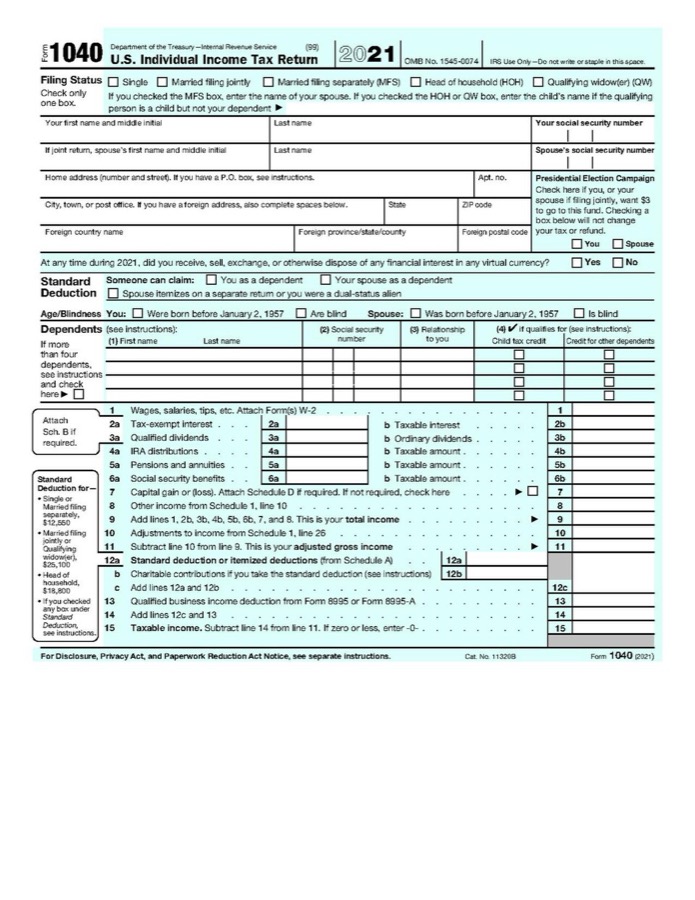
Withholding is what the lottery sends to the IRS on your behalf the moment you claim. Your final tax is what you owe based on your total taxable income for the year, calculated on your tax return. The difference is either refunded to you or owed by you — and on a jackpot, it's almost always owed.
Why the gap exists
The 24% withholding rate is fixed by law for gambling wins over $5,000. The top federal income tax rate is 37%. Any jackpot large enough to push your income into the top bracket creates a 13-percentage-point (or more) gap between what was withheld and what you owe. That gap is due when you file.
How to plan for it
- Set aside the gap in a safe, liquid account immediately.
- Make estimated tax payments to avoid underpayment penalties.
- Work with a tax professional before claiming, not after.
- Remember state tax is separate and also due at filing.
The short version
- 24% is withheld; up to 37% is owed.
- The difference is due when you file.
- Plan for it before you claim, not after.
Get the exact number for your jackpot and state.
Run the Tax Calculator →