
How to Check a Lottery Ticket (and Not Miss a Win)
How to check Powerball, Mega Millions and state tickets against past draws, read every prize tier, and avoid mistakes that void a win.
"Did I win the lottery?" sounds like a yes-or-no question, but checking a lottery ticket is really a matching exercise: you compare your numbers to the winning numbers for the correct draw date, then read the prize chart for the exact match pattern. Most missed wins are not bad luck — they are a wrong date, a misread bonus ball, or a ticket that was thrown away before anyone checked it. Here is how to check a lottery ticket properly, for Powerball, Mega Millions, and state games.
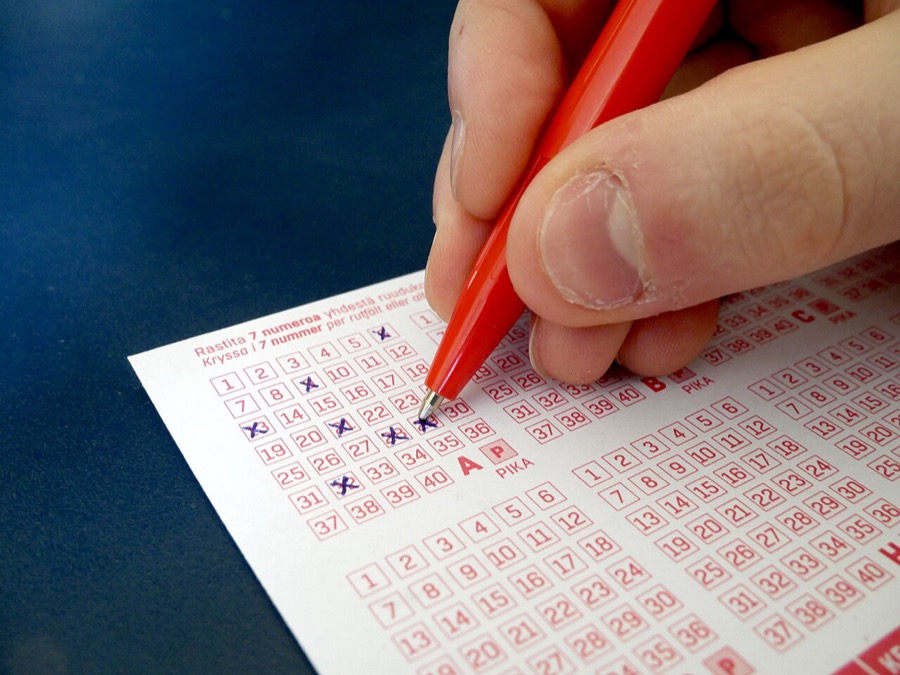
Step 1: Confirm the draw date
A ticket only counts for the drawing printed on it. If you bought a Powerball ticket on Saturday afternoon, it is for Saturday night's drawing, not Friday's. If you are checking a stack of old tickets, sort them by draw date first. Checking a Tuesday ticket against Friday's numbers is the single most common way players talk themselves out of a real win.
Step 2: Match the main numbers, then the bonus ball
The main numbers and the bonus ball are separate matches. In Powerball you need the five white balls plus the red Powerball for the jackpot, but you can win a smaller prize with as little as the Powerball alone. In Mega Millions the gold Mega Ball works the same way. Do not stop checking once the jackpot does not match — that is where most smaller prizes are missed.
- Powerball: 5 white balls from 1–69 plus 1 Powerball from 1–26.
- Mega Millions: 5 white balls from 1–70 plus 1 Mega Ball from 1–24.
- Millionaire for Life: 5 numbers from 1–58 plus 1 Millionaire Ball from 1–5.
- Lotto America: 5 numbers from 1–52 plus 1 Star Ball from 1–10.
How often does a ticket win anything?
The overall odds of winning any prize are much better than the jackpot odds, which is why checking every ticket matters. Powerball pays on about 1 in 24.9 tickets; Mega Millions on about 1 in 23. The daily life games pay far more often, but their prizes are smaller.
Source: official prize charts from Powerball, Mega Millions, and MUSL. Odds are per ticket and do not change based on how many tickets you buy.
Four ways to check, ranked by reliability
- Official game or state lottery site. The primary source. Use the draw date and the official prize chart.
- A ticket checker that scans the barcode. Fast and less error-prone than typing, but confirm any win at a retailer or lottery office before celebrating.
- A licensed retailer. The terminal checks the ticket against the state system. This is the safest option for a large prize.
- Manual comparison. Fine for a single ticket, risky for a stack. If you check manually, read the numbers aloud and mark each match.
Mistakes that cost people real prizes
- Checking only the jackpot. Most wins are lower tiers.
- Using the wrong draw date. Sort tickets before checking.
- Mixing up the bonus ball. A white-ball match is not the same as a bonus-ball match.
- Throwing away "losers" before the draw. Never discard a ticket you have not checked.
- Forgetting second-chance entries. A non-winning scratch or draw ticket may still be entered into a second-chance drawing.
- Waiting too long to claim. Claim deadlines run from 90 days to one year, depending on the state.
Check your numbers against any past draw date.
Use the Free Ticket Checker →Related tools and pages
- Ticket Checker
- Check Powerball Numbers
- Check Mega Millions Numbers
- Claim Deadlines by State guide
- Signing Your Ticket guide
The short version
- Match the draw date first, then every prize tier.
- Check the bonus ball separately — it creates its own wins.
- Overall odds are about 1 in 23–25 for the big games.
- Use the official source or a retailer for any real win.